


AsusTogel : Prediksi Angka Togel 4D Algoritma Terbaru Modal 5K

AsusTogel : Prediksi Angka Togel 4D Algoritma Terbaru Modal 5K
$888.00 SGD
Unit price peror
Protection+ for AsusTogel (2 year plan)

Get it fast
Pickup
Loading store
Error loading
Limited Time Promotion
Limited Time Promotion
Apa itu ASUSTOGEL?
Apa itu ASUSTOGEL?
ASUSTOGEL adalah platform prediksi angka togel 4D berbasis algoritma terbaru.
Pelajari Selengkapnya
Apakah prediksi ASUSTOGEL akurat?
Apakah prediksi ASUSTOGEL akurat?
Prediksi dibuat berdasarkan analisa data dan pola angka untuk meningkatkan akurasi.


Limited Time Promotion
Financing
Trade in popup


Trade-In
Explore the devices to Pelajari Selengkapnya.

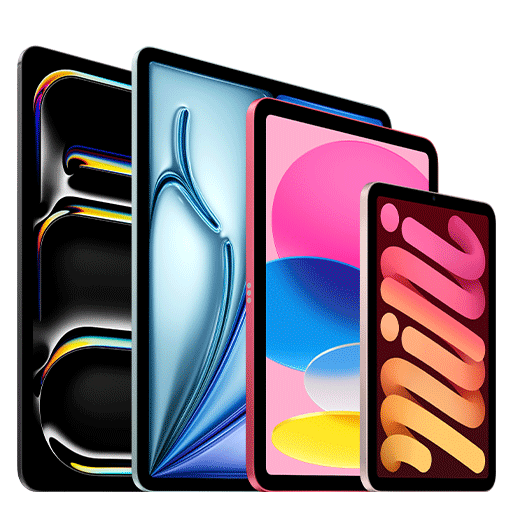
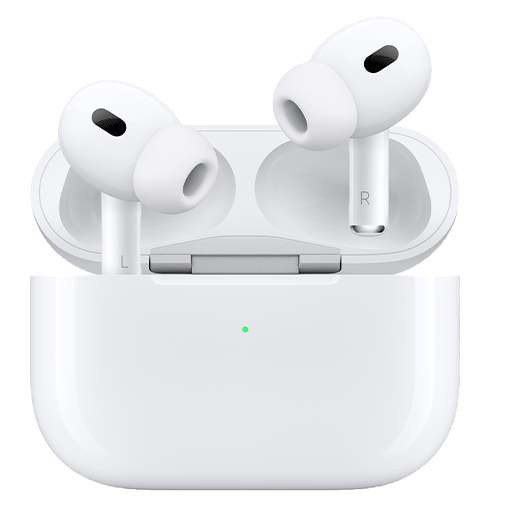


Trade-in your device in 3 easy steps!
Please contact us at [email protected] if you have other enquiries. Trade-in program is provided by "Carousell".
Frequently Asked Questions
What do I need to bring along?
You will be required to bring your charger and cable for laptops.
What if I do not like the value after assessment?
You can choose to not accept the trade-in value, but the value shown is final.
Can multiple devices be traded in during the same transaction?
Unfortunately, only one device can be traded in per transaction.
Do I get to keep the memory card from the trade-in devices?
We recommend that you remove and keep all your memory cards before you trade-in a device
Would I be able to get back my old device back after the trade-in?
You would not be able to retrieve your old device as all trade-ins are final. Prior to trading in your device, we recommend backing up all your important content such as contacts, photos, videos, etc.
Can I trade-in my device if it does not work?
We would not be able to assess your device if we are unable to power on your device.
What if my device is not found in the trade-in device list?
You can head down to our stores to get your device assessed by our iStudio Experts to check if it is accepted.
Collapsible content
Terms and Conditions
- Customer affirms that s/he is at least legally 18 years of age.
- "Customer" means the undersigned that is the owner of the Product or has been authorised by the owner of the Product to make decisions on the Product.
- The Trade-in programme is provided to iStudio customers by Laku6 as a third party company. Apple is not a party in the transaction.
- Laku6 and iStudio reserve the right to refuse, cancel, or limit the programme for any reason and may change these terms and conditions at any time without prior notice.
- The Programme is provided for lawful purposes only, to the extent permitted by law, Customer agrees to indemnify iStudio, Laku6, its affiliate and any of its directors, officers, employees, affiliates, subsidiaries or agents from and against claims brought against any of them arising from Customer's breach of terms and conditions of the Programme.
- iStudio trade-in programme is only available at all iStudio stores (excluding Airport Terminal Stores)
- Total trade-in value is not transferable.
- iStudio reserves the right to refuse any customer's eligibility at any time in its discretion in the even of such customer's breach or suspected breach of any of the terms and conditions herein without prior notification or any liability to such customer whatsoever.
- iStudio reserves the right to vary any term or condition. iStudio will, where it is practicable to do so, give customers advance notice (which may be through written notice, electronic mail letters, iStudio website, or such other forms as iStudio deems appropriate) of such changes.
- This iStudio Trade-in programme is limited to one (1) device per eligible trade-in.
Why Shop Online
-

Click & Collect
Check the stocks availability, order on the way and simply pick-up when you reach.
-

Local Delivery
Enjoy complimentary delivery for orders with a minimum spend of $250.
- Choosing a selection results in a full page refresh.
- Opens in a new window.
Store availability

ASUSTOGEL
ASUSTOGEL: Prediksi Angka Togel 4D Berbasis Algoritma Terbaru
ASUSTOGEL hadir sebagai platform prediksi angka togel 4D yang mengutamakan analisa data dan pendekatan algoritma modern. Dengan perkembangan teknologi, metode prediksi kini tidak lagi mengandalkan keberuntungan semata, tetapi berbasis pola historis dan perhitungan statistik yang lebih terarah.
Pengguna ASUSTOGEL dapat menikmati pengalaman prediksi angka jitu togel dengan sistem yang dirancang untuk membantu meningkatkan akurasi dalam menentukan angka. Hal ini menjadikan ASUSTOGEL sebagai salah satu situs prediksi togel terpercaya yang terus berkembang di tahun 2026.